

Interpretation of a Pictograph
The following pictograph shows the number of absentees in a class of 30 students during the previous week.
| Days | Number of students | Absentee |
|---|---|---|
| Monday |  | |
| Tuesday | | |
| Wednesday | | |
| Thursday | ||
| Friday | | |
| Saturday | |
(a) On which day were the maximum number of students absent?
(b) Which day had full attendance?
(c) What was the total number of absentees in that week?
The colours of fridges preferred by people living in a locality are shown by the following pictograph.
 = 10 people
 Note: =
=
| Colours | Number of people | Count |
|---|---|---|
| Blue | | |
| Green | | |
| Red | | |
| Purple | |
(a) Find the number of people preferring blue colour?
(b) How many people liked red colour?
In the above example, the number of people who like red colour was taken as 50 + 5.
If your friend wishes to take it as 50 + 8, is it acceptable?
A survey was carried out on 30 students of class VI in a school. Data about the different modes of transport used by them to travel to school was displayed as pictograph.
What can you conclude from the pictograph?
| Modes of travelling | Number of students | Count |
|---|---|---|
| Private car |  | |
| Public bus |  | |
| School bus |  | |
| Cycle | 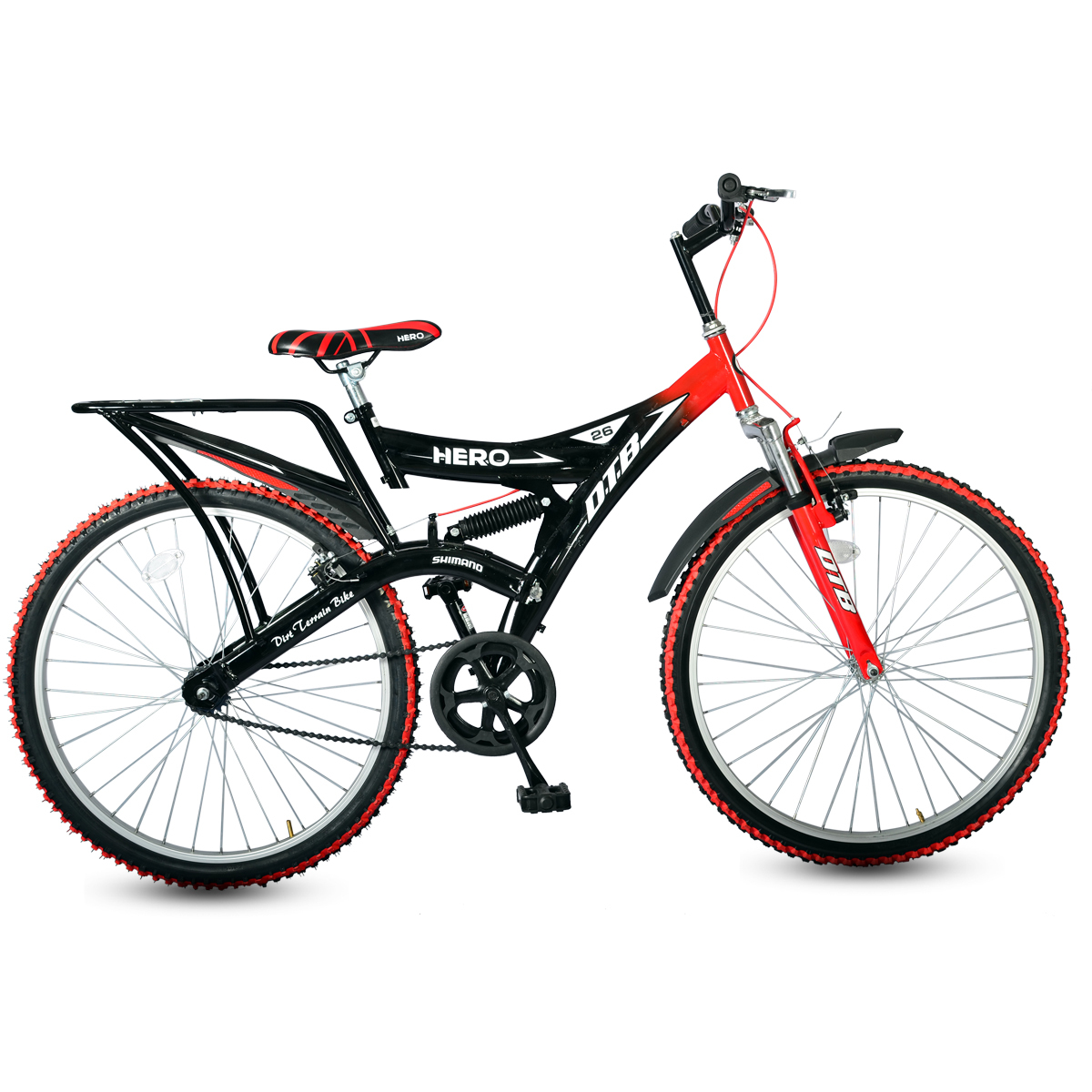 | |
| Walking |  |
From the pictograph we find that:
(a) The number of students coming by private car:
(b) Maximum number of students use:
This is the
(c) Cycle is used by:
(d) The number of students using the other modes can be similarly found.
Following is the pictograph of the number of wrist watches manufactured by a factory in a particular week.
| Days | Number of wrist watches manufactured | Count | 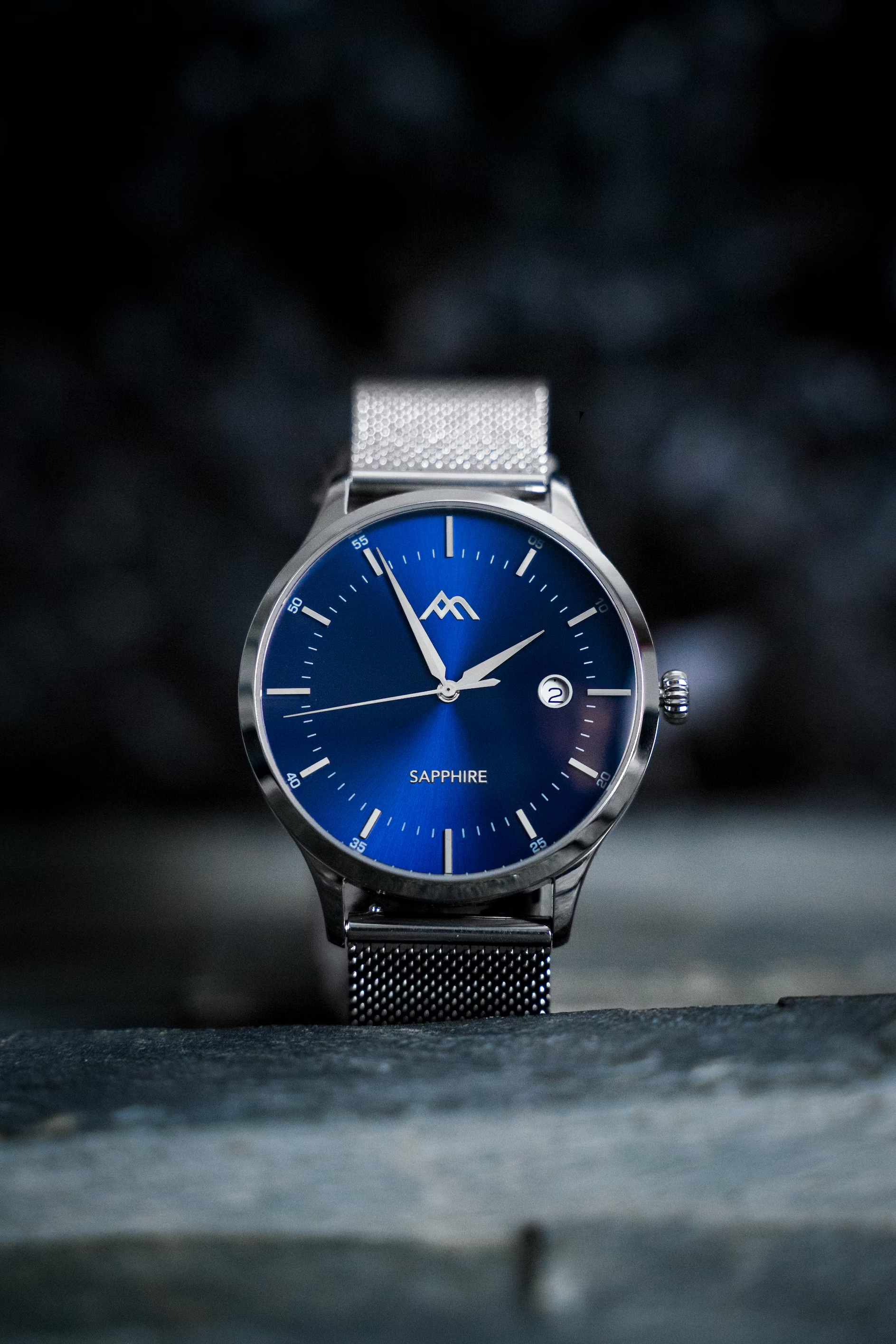 - 100 Wrist Watches - 100 Wrist Watches |
|---|---|---|---|
| Monday | | ||
| Tuesday |  | ||
| Wednesday | | ||
| Thursday | | ||
| Friday | | ||
| Saturday | |
(a) On which day were the least number of wrist watches manufactured?
(b) On which day were the maximum number of wrist watches manufactured?
(c) Find out the approximate number of wrist watches manufactured in the particular week?