

Conversion of solid from one shape to another
A women self-help group (DWACRA) prepares candles by melting down cuboid shape wax. In gun factories spherical bullets are made by melting solid cube of lead, goldsmith prepares various ornaments by melting cuboid gold biscuits.
In all these cases, the shapes of solids are converted into another shapes. In this process, the volume always remains the
How does this happen? If you want a candle of any special shape, you have to heat the wax in a metal container till it is completely melted.
Then you pour it into another container which has the special shape that you wanted.
Say, we are pouring a liquid in a beaker first into a cuboid container and next we are pouring the same liquid into a cylindrical container. Will the volume of the liquid and in the cuboid and the cylinder be the same?
That's right. The volume is retained though the matter is in different shapes and in different containers. Let us take this insight and solve some problems.
A cone of height 24 cm and radius of base 6 cm is made up of modelling clay. A child reshapes it in the form of a sphere. Find the radius of the sphere.
We know that the volume of the solid remains the same even if changes it's shape. So the volume of the cone is equal to the volume of the sphere.
Volume of cone=
Volume of sphere=
Volume of cone= Volume of sphere
Solving for this r =
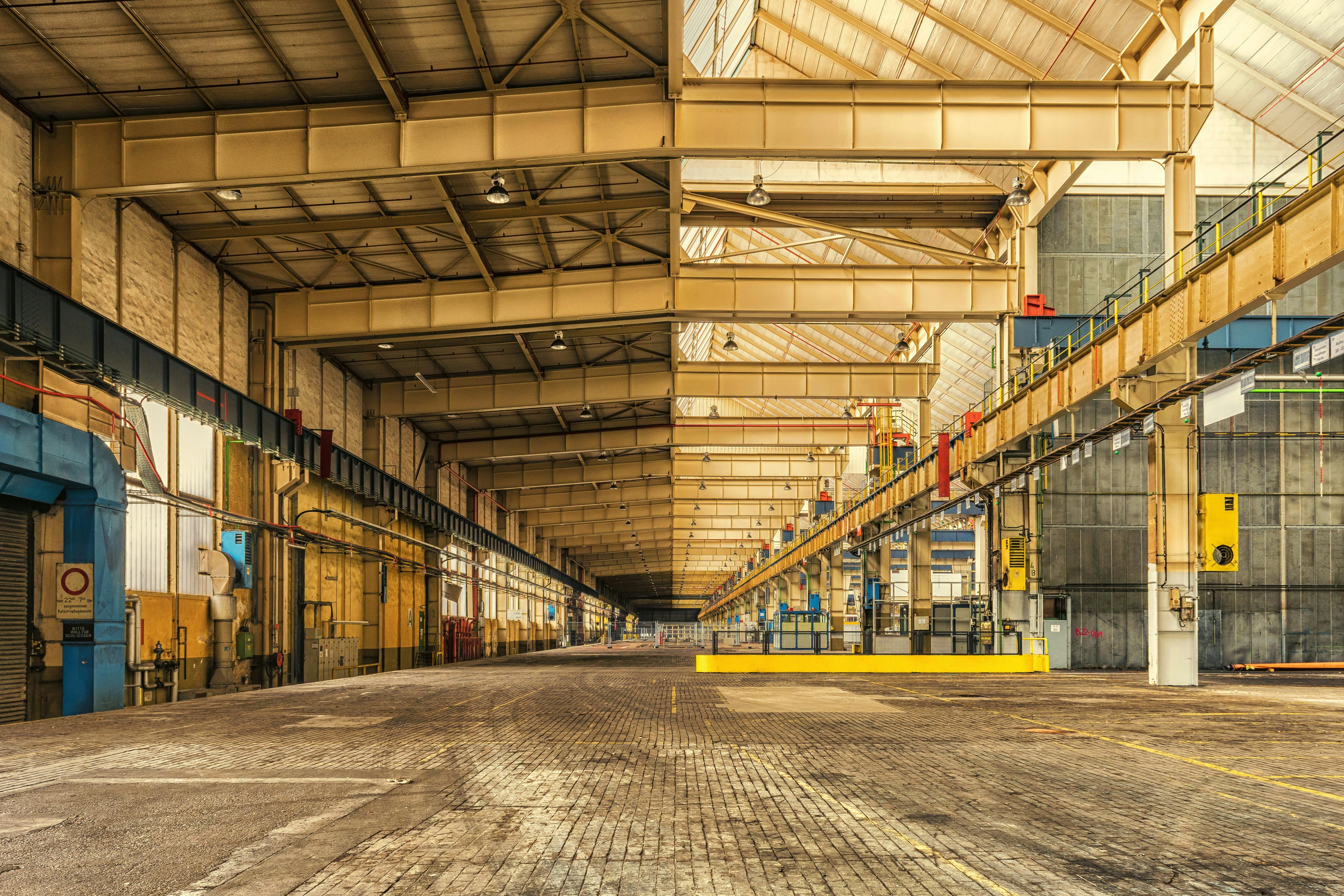
Example 5 : Shanta runs an industry in a shed which is in the shape of a cuboid surmounted by a half cylinder (just like treasure chest shown earlier). If the base of the shed is of dimension 7 m × 15 m, and the height of the cuboidal portion is 8 m, find the volume of air that the shed can hold. Further, suppose the machinery in the shed occupies a total space of 300
- The volume of air inside the shed (when there are no people or machinery) is given by the volume of air inside the
and (taken together). - Total volume of shed =
+ 1 2 where l,b,h is length,breadth and height of cuboidal space while r and t are the radius and height of the cylindrical space. - Substituting the values
- We get the evaluated volume =
m 3 - Volume occupied by machinery and workers:
m 3 - Remaining volume :
m 3 - Thus, we have found the answer.
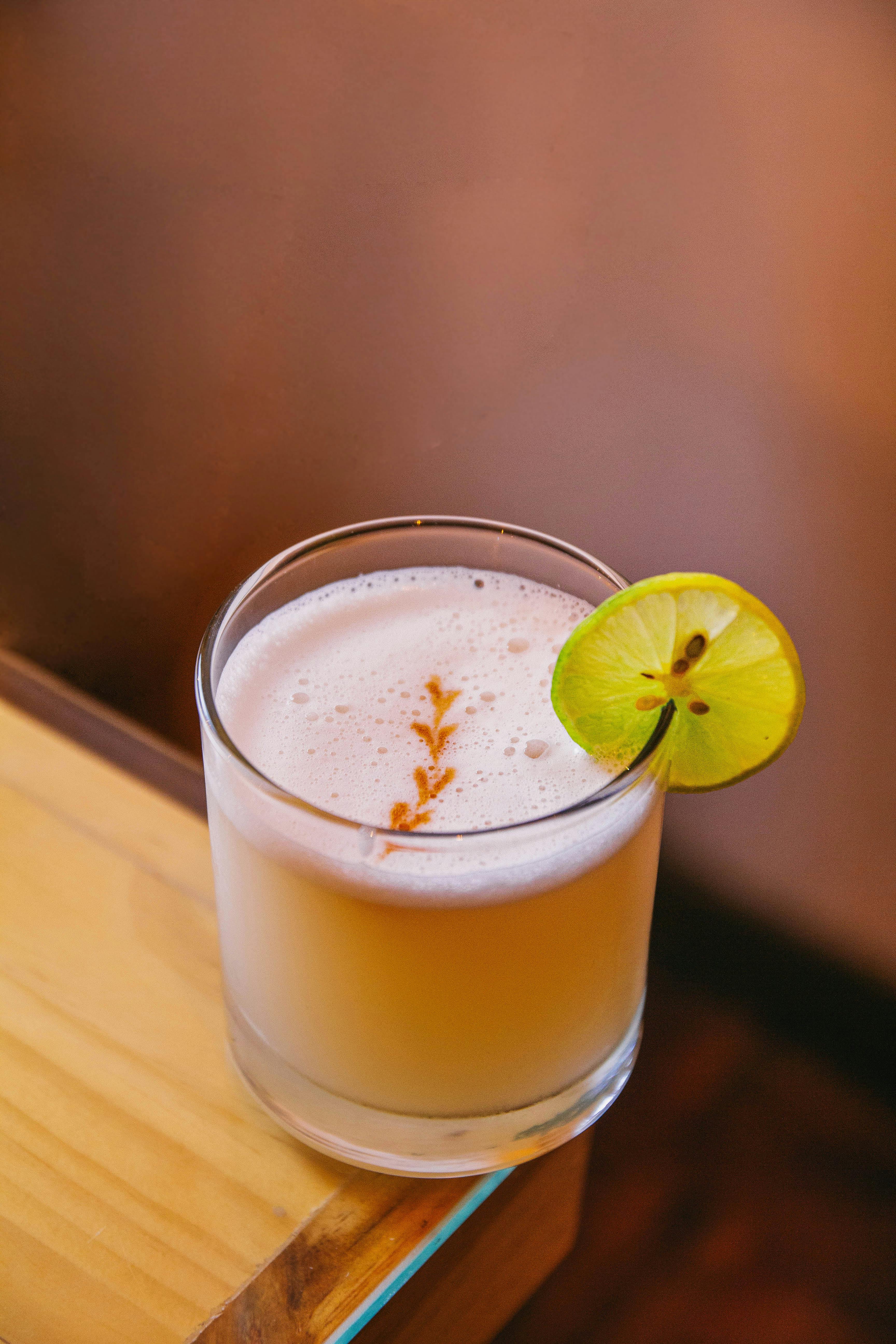
Example 6 : A juice seller was serving his customers using glasses as shown in Fig. 12.13. The inner diameter of the cylindrical glass was 5 cm, but the bottom of the glass had a hemispherical raised portion which reduced the capacity of the glass. If the height of a glass was 10 cm, find the apparent capacity of the glass and its actual capacity. (Use π = 3.14)
- Apparent capacity of glass:
where r and h are radius and height of glass - Substituting we get apparent volume =
cm 3 - Given actual capacity of the glass is less by the volume of the hemisphere at the base of the glass i.e.
where t is radius of hemispherical shape. - Substituting we get the evaluated hemispherical volume =
cm 3 - Actual volume of glass :
cm 3 - Thus, we have found the answer.
Example 7 : A solid toy is in the form of a hemisphere surmounted by a right circular cone. The height of the cone is 2 cm and the diameter of the base is 4 cm. Determine the volume of the toy. If a right circular cylinder circumscribes the toy, find the difference of the volumes of the cylinder and the toy. (Take π = 3.14)

- Radius of hemisphere (and cone) =
d 2 cm - Thus, volume of toy:
+ where r is radius of hemisphere while d and l are radius and height of cone. - Substituting we get volume of toy =
cm 3 - To find the volume of the right circular cylinder circumscribing the toy: radius =
cm while height = cm. - Finding the volume, we get:
cm 2 - Thus, the difference in volume =
cm 2 - Thus, we have found the answer.