
Exercise 10.2
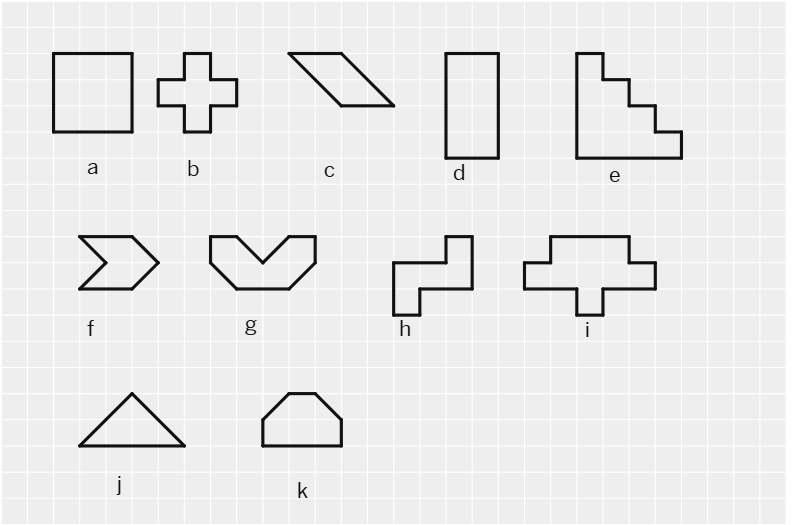
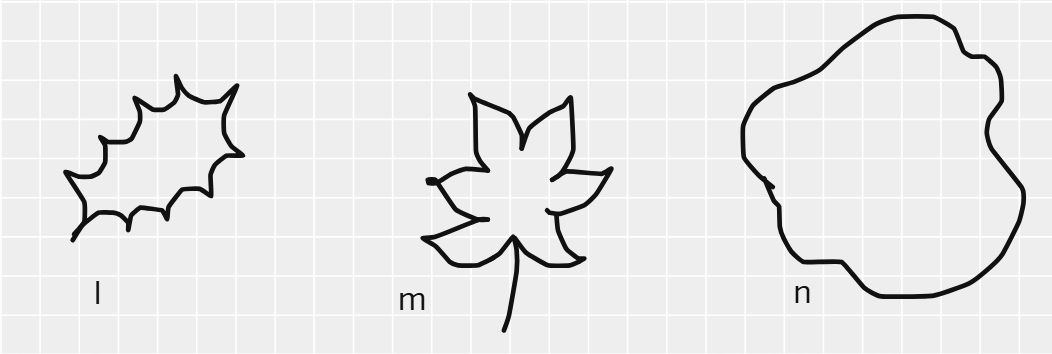
(a-g)
(a) Number of full squares =
Area of 1 square = 1 sq unit
Area of figure = 9 × 1 sq unit =
(b) Number of full squares =
Area of figure = 5 × 1 sq unit =
(c) Number of full squares =
Number of half squares =
Area of the covered figure = 2 × 1 + 4 ×
(d) Number of full squares =
Area of the covered portion of the figure = 8 × 1 sq unit =
(e) Number of full squares =
Area covered by the figure = 10 × 1 sq unit =
(f) Number of full squares =
Number of half squares =
Area of the covered figure = 2 × 1 + 4 ×
(g) Number of full squares =
Number of half squares =
Area of the covered figure = 4 × 1 + 4 ×
(h-n)
(h) Number of full squares =
Area of the covered figure = 5 × 1 sq unit =
(i) Number of full squares =
Area of the covered figure = 9 × 1 sq units =
(j) Number of full squares =
Number of half squares =
Area of the covered figure = 2 × 1 + 4 ×
(k) Number of full squares =
Number of half squares =
Area of the covered figure = (4 × 1 + 2 ×
(l) Number of full squares =
Number of squares more than half =
Number of half squares =
Area of the covered figure = 2 × 1 + 4 × 1 + 8 ×
(m) Number of full squares =
Number of more than half squares =
Number of half squares =
Area of the covered figure = (3 × 1 + 4 × 1 + 10 ×
(n) Number of full squares =
Number of more than half squares =
Number of half squares =
Area of the covered figure = 26 × 1 + 6 × 1 + 9 ×