
Exercise 11.2
Assume π =
1. Find the surface area of a sphere of radius:
(i) 10.5 cm (ii) 5.6 cm (iii) 14 cm
2. Find the surface area of a sphere of diameter:
(i) 14 cm (ii) 21 cm (iii) 3.5 m
3. Find the total surface area of a hemisphere of radius 10 cm. (Use π = 3.14)
4. The radius of a spherical balloon increases from 7 cm to 14 cm as air is being pumped into it. Find the ratio of surface areas of the balloon in the two cases.
- We know: curved surface area of a sphere =
- We need to find the ratio of the initial and final surface area.
- That is to find the ratio shown above.
- Let the initial radius be r1 while the final radius is r2. Substituting these variables, we get the ratio:
- Putting the values of r1 and r2 into the ratio, we get:
- We have found the answer.
5. A hemispherical bowl made of brass has inner diameter 10.5 cm. Find the cost of tin-plating it on the inside at the rate of Rs. 16 per 100
6. Find the radius of a sphere whose surface area is 154
7. The diameter of the moon is approximately one fourth of the diameter of the earth. Find the ratio of their surface areas.
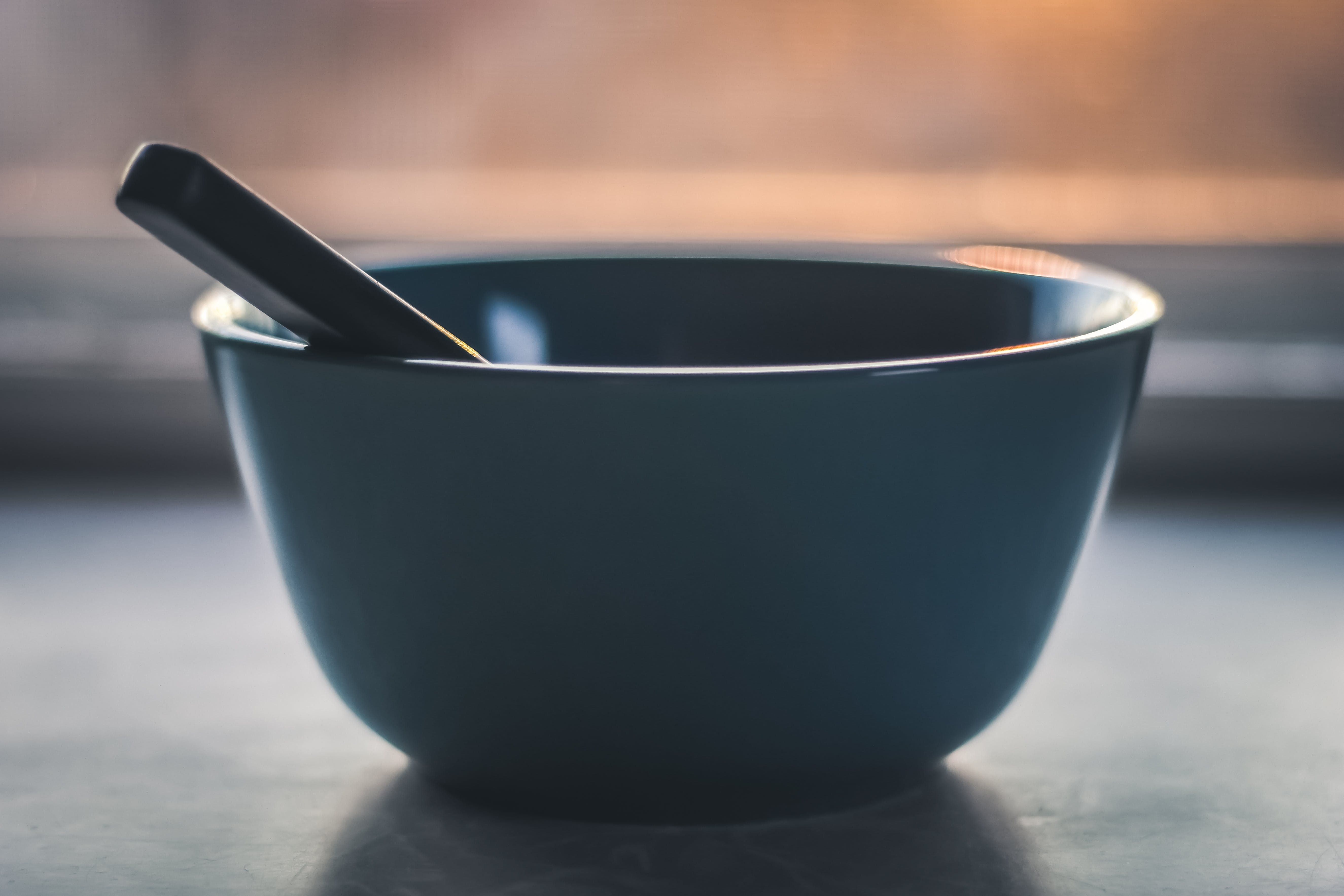
8. A hemispherical bowl is made of steel, 0.25 cm thick. The inner radius of the bowl is 5 cm. Find the outer curved surface area of the bowl.
- We know: curved surface area of a hemisphere =
- The outer radius will be
cm - Substituting the values into the formula
- We find the surface area to be
cm 2 - We have found the answer.
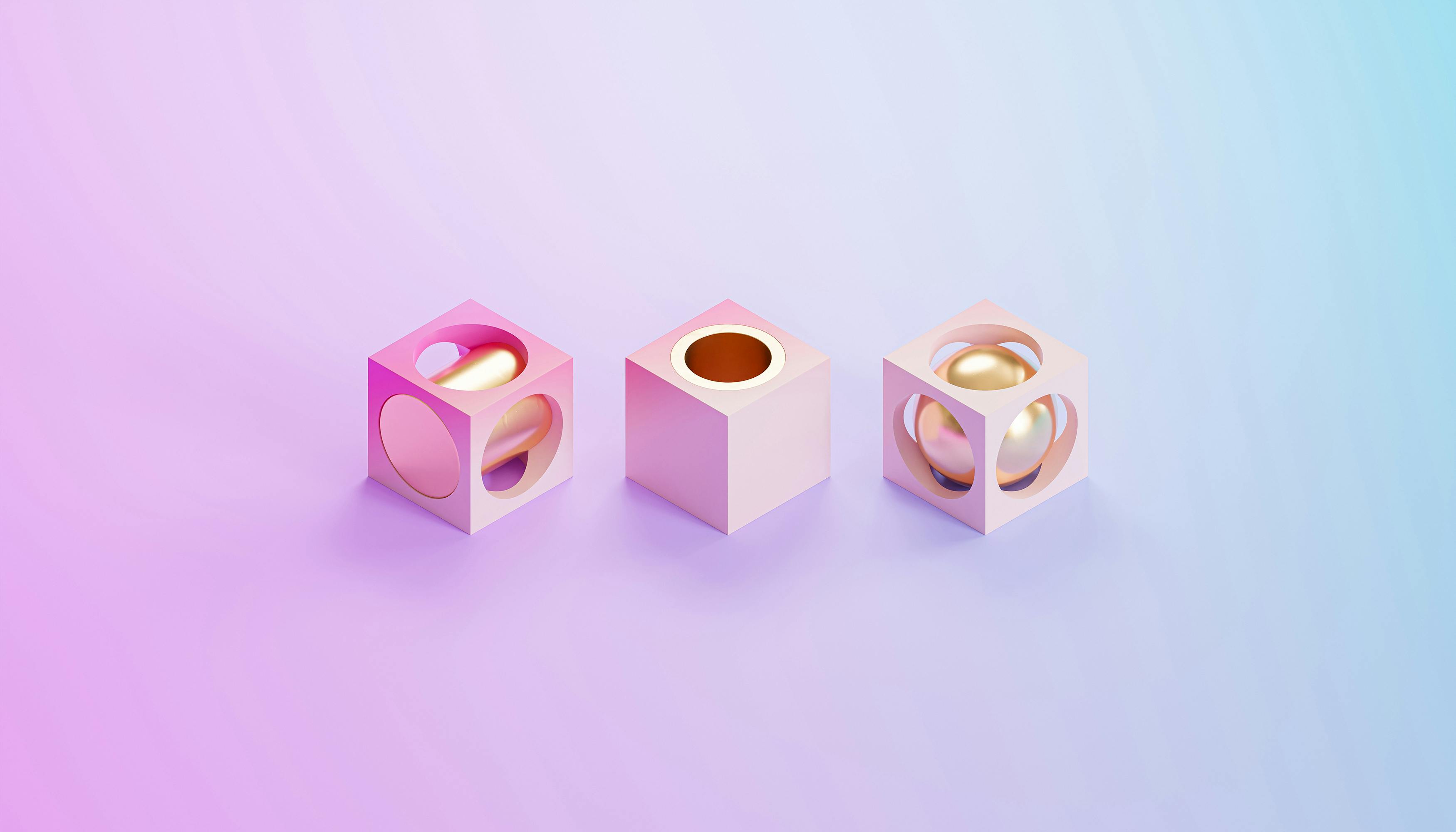
9. A right circular cylinder just encloses a sphere of radius r. Find:
(i) surface area of the sphere,
(ii) curved surface area of the cylinder,
(iii) ratio of the areas obtained in (i) and (ii).
- We know: curved surface area of a sphere =
where r - radius of sphere - Since, the sphere is enclosed in a cylinder: radius of cylinder is equal to
while height of cylinder is - Curved surface area of cylinder =
where r and h are radius and height of cylinder. - Substituting the values of r and h into the formula, we get:
- Thus, the ratio of the sphere and cylinder is
- We have found the desired answer.