

Parallel Illusions
There do not seem to be any parallel lines here. Or, are there?
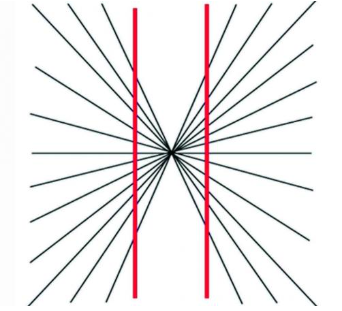
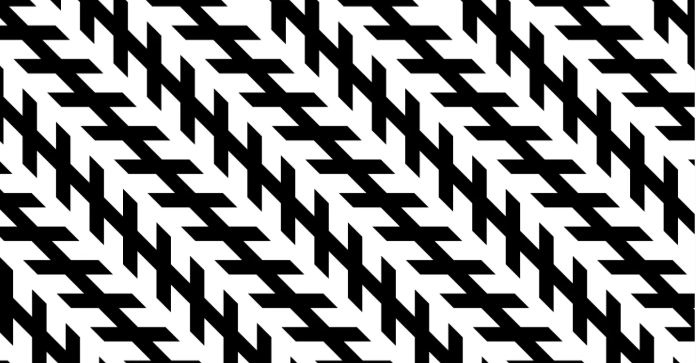
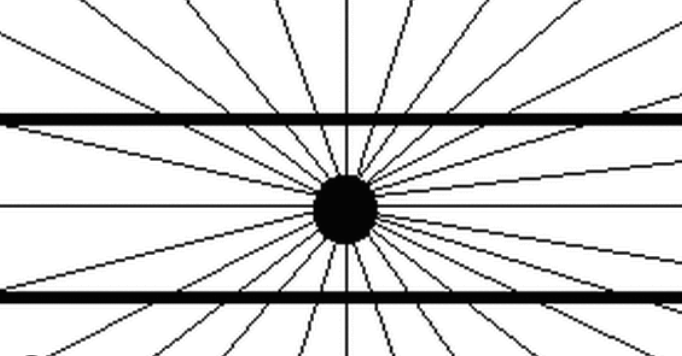
What causes these illusions?
Sometimes when you look at parallel lines (lines that never meet), they look like they're bending, tilting, or getting closer together — but they're actually perfectly straight and parallel!
Why Does This Happen?
Your Brain Takes Shortcuts
- Your eyes send information to your brain super fast
- Your brain tries to make quick decisions about what you're seeing
- Sometimes it makes mistakes when patterns get confusing!
Think of it like this: When you add diagonal lines or checkerboard patterns near parallel lines, your brain gets "distracted" by all the angles and patterns. It misreads the direction of the parallel lines.
Imagine you're looking at railroad tracks: The tracks are parallel (they don't meet). But if someone painted zigzag patterns between them. Your brain might think the tracks are bending!
Why Your Brain Gets Fooled:
- Too Much Information
- Your brain is trying to figure out: "Which way is each line going?"
- When there are lots of crossing lines and patterns, it gets confused
- Like trying to follow one conversation in a noisy cafeteria!
- Your Brain Uses Context Clues
- Your brain looks at everything around an object to understand it
- If the background has tilted lines, your brain thinks the main lines are tilted too
- It's like wearing tinted sunglasses — everything looks that color!
- Angles Play Tricks
- When diagonal lines cross parallel lines, they create angles
- Your brain sometimes sees these angles wrong
- This makes the parallel lines look bent or tilted
Your eyes are working fine — it's your BRAIN that's being tricked!
Your brain is amazing at recognizing patterns quickly, but sometimes patterns that are too complex confuse it. These illusions show us that what we see isn't always exactly what's really there.
Scientists and artists use these illusions in:
- Art and design
- Architecture (to make buildings look certain ways)
- Understanding how our brains work!